
Spellbook vs LexisNexis: Which Is The Top Pick In 2026?
.jpeg)


The choice between Spellbook vs LexisNexis often comes down to deciding between a specialized contract AI and a legacy legal research platform with added AI features. Spellbook focuses on drafting and reviewing contracts with speed and precision inside Microsoft Word, while LexisNexis grounds its AI in a vast proprietary content library. In this article, we will compare their product features, pricing, and underlying technology to help you determine the best fit for your legal workflow.
Key Takeaways
- Spellbook is a specialized AI suite built for drafting and reviewing contracts directly within Microsoft Word. LexisNexis is a legal research platform that has added AI capabilities grounded in its proprietary library of legal content.
- The main distinction is their focus. Spellbook is built for contract execution, using real-time market data to inform negotiations. LexisNexis is built for legal research, using its own curated content like case law and Practical Guidance to ground its AI.
- Spellbook is the better option for teams focused on transactional work. It is trusted by more than 4,000 in-house and law firm teams to draft and review contracts faster, improve accuracy, and negotiate from a data-driven position.
1. LexisNexis
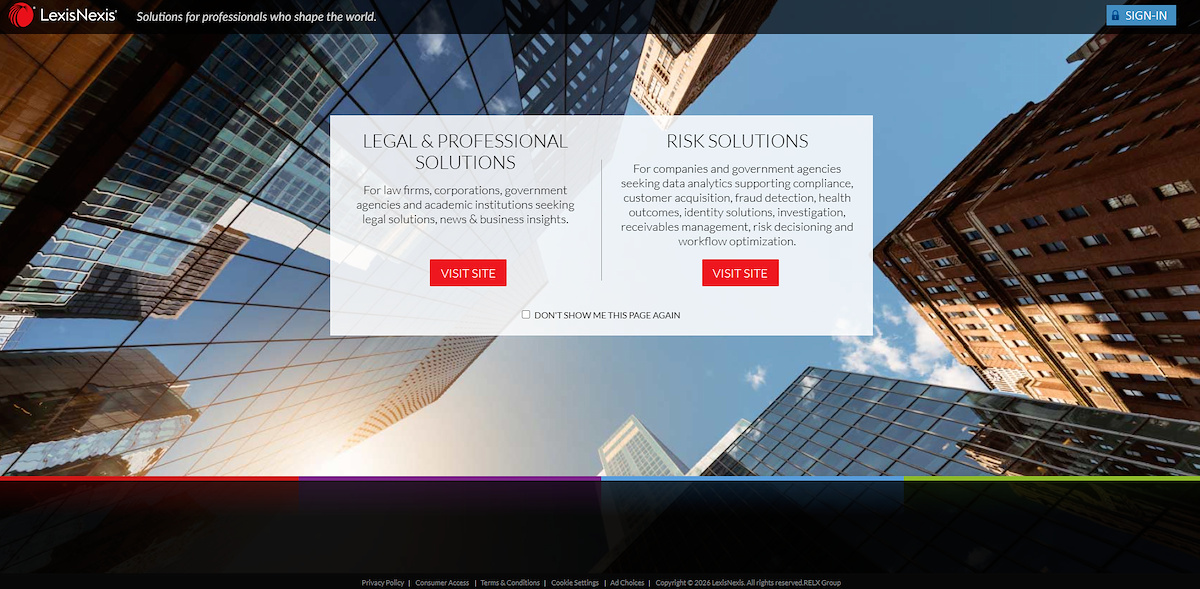
LexisNexis is a legacy legal research platform that has added an AI assistant to its broad ecosystem. The tool is grounded in the company's vast proprietary content library, including case law, regulations, and Practical Guidance.
This makes it best suited for legal teams focused on research-heavy workflows that require citation-backed answers. While it has document analysis and drafting features, its foundation in legal research sets it apart from tools like Spellbook, which are built specifically for the speed and precision of transactional contract work.
LexisNexis Features
LexisNexis embeds its AI assistant within its broader legal research ecosystem. Its capabilities are built on a foundation of proprietary content.
- AI assistant for legal Q&A, drafting, and summarization.
- Outputs are grounded in Lexis’s library of case law and Practical Guidance.
- Document analysis for uploaded files, including summarization and Q&A.
- Comparison of up to three documents to identify key differences.
- M&A benchmarking against SEC filings and curated clauses.
- Clause-level redlining is handled by a separate Word plug-in (Create+).
LexisNexis Pricing
The platform uses a seat-based subscription model with pricing that varies based on team size and contract terms.
- Annual subscriptions are priced per user.
- Volume discounts are available for larger teams.
- Training and ongoing support are included.
- The Word add-in for redlining is priced as a separate add-on.
Key Considerations about LexisNexis
While LexisNexis offers powerful research capabilities, teams focused on transactional work should note its structure. The platform is a broad legal information environment first and an AI assistant second. Its greatest strength is producing citation-backed answers to avoid issues like AI-generated fake citations.
However, this research-heavy approach means key contract review functions are not as integrated. Redlining requires a separate Word add-in, and playbook functionality is not a current feature. This fragmented workflow makes it a less direct fit for legal teams who spend most of their time drafting and negotiating contracts inside Microsoft Word. The choice in the Spellbook vs LexisNexis comparison often depends on this distinction.
2. Spellbook, The Smarter Alternative
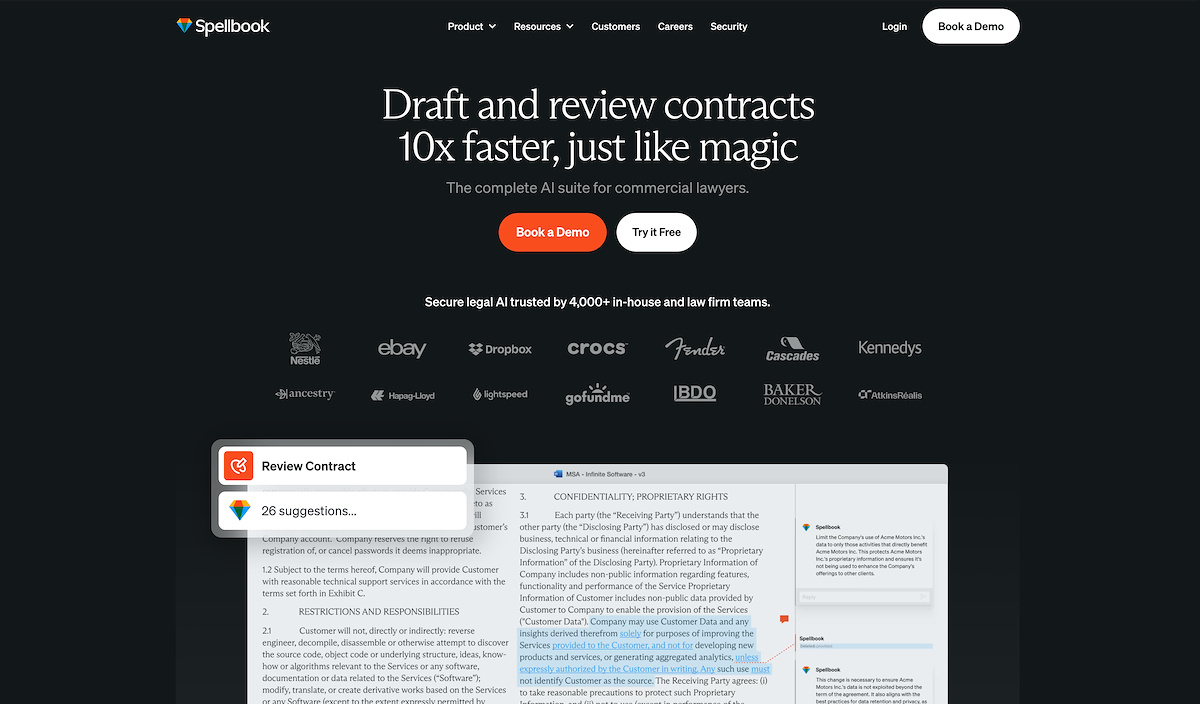
Spellbook is an AI suite built specifically for contracts and commercial law. It integrates directly into Microsoft Word to help legal teams draft and review agreements 10x faster and with greater precision, all without leaving their primary work environment.
Spellbook is also the only contract AI grounded in real-time market data. Its Review feature analyzes contracts against live benchmarks from thousands of similar agreements, providing data-driven answers to "What's market?" in every negotiation.
Spellbook Features
- Review: Instantly analyzes entire contracts within Microsoft Word, providing AI-generated redlines as track changes. It flags risks and surfaces issues, allowing lawyers to maintain full control over the final document.
- Draft: Generates new clauses or entire agreements from simple instructions. It can also pull from a built-in library of standard provisions or a firm’s own historical contracts, automatically adapting language to match the context of the current document.
- Ask: Functions as a contract-specific Q&A tool. Lawyers can ask questions about the open document—such as obligations or renewal terms—and receive answers with direct citations to the relevant contract language.
- Compare to Market: Benchmarks contract terms against real-time market data from thousands of similar agreements. This feature provides data-driven answers to "What's market?" and highlights favorable or unfavorable terms, a key distinction in the Spellbook vs LexisNexis comparison.
- Associate: An AI agent that executes multi-document projects from a single prompt. It can prepare document packages from a term sheet, review a data room for due diligence, or update terms across multiple files at once.
- Spellbook Library: A knowledge management layer that indexes a firm's past contracts. This allows the AI to ground its suggestions in the firm’s own precedent, making drafting more personalized and consistent.
- Preference Learning: Observes how lawyers edit Spellbook’s suggestions and adapts over time to match individual and team-level drafting styles. This creates a feedback loop that makes the tool more accurate with each use.
Spellbook Pricing
Spellbook uses a custom, per-seat pricing model with annual subscriptions tailored to your team's size and needs.
- Volume discounts are available for larger teams.
- All features, onboarding, training, and ongoing support are included.
See how Spellbook can improve your contract workflow by starting a free trial today.
Why Commercial Lawyers Love Spellbook
Unlike broad legal research platforms, Spellbook is built from the ground up for the specific workflow of transactional lawyers. It focuses on accelerating contract drafting and review with precision, directly within the familiar environment of Microsoft Word.
While its deep integration is currently exclusive to Word, this allows for a more stable and responsive experience. This focus on the transactional workflow is a key differentiator in the Spellbook vs LexisNexis debate, offering a practical tool for day-to-day contract work rather than academic research.
[cta-1]
Spellbook vs LexisNexis: Key Differences
The primary distinction in the Spellbook vs LexisNexis comparison is one of purpose-built design versus a broad ecosystem. Spellbook is a specialized AI tool for transactional law, while LexisNexis is a legal research platform that has incorporated AI features. Understanding these core differences is key to choosing the right tool for your workflow.
1. Core Purpose: Transactional Workflow vs. Legal Research
- Spellbook: Is designed specifically for the contract lifecycle. It operates entirely within Microsoft Word to help lawyers draft and review agreements with greater speed and precision, keeping the workflow in one place.
- LexisNexis: Is fundamentally a legal research tool. Its AI capabilities are built to assist with research-heavy tasks by providing answers grounded in its content library. Contract review features exist but are secondary to its main function.
2. Data Grounding: Real-Time Market Data vs. Proprietary Content
- Spellbook: Uses real-time market data to inform negotiations. Its Compare to Market feature benchmarks terms against thousands of similar agreements, giving lawyers data-backed answers to "What's market?"
- LexisNexis: Grounds its AI in a vast, proprietary library of curated content like case law and Practical Guidance. This is valuable for producing citation-backed research but does not reflect live market standards for contract terms.
3. Product Design: Integrated Experience vs. Broad Ecosystem
- Spellbook: Offers a fully integrated experience inside Microsoft Word. All features, from drafting and redlining to market comparisons, are available within a single add-in. It also includes an AI agent, Associate, for multi-document projects.
- LexisNexis: Separates key functions. For instance, clause-level redlining requires a separate Word add-in (Create+), and playbook functionality is not a current feature. This can lead to a disjointed process for teams focused purely on contract execution.
Which Option Is Right For Your Business?
Choosing the right AI for lawyers depends entirely on your team’s primary function. Here’s a breakdown for common legal personas.
For Transactional Teams
Spellbook is the clear choice. It is built specifically for the contract workflow, operating entirely within Microsoft Word to improve both speed and accuracy. This focused design keeps your work in one place, avoiding the disjointed process of using multiple applications for drafting, redlining, and analysis.
For Boutique Firms and Lean In-House Teams
Spellbook is the more practical option. It delivers specialized contract AI without the overhead of a broad legal research subscription. The transparent, all-inclusive pricing provides access to all features and support, making it a cost-effective way to increase your team's capacity.
For Research-Heavy Roles
LexisNexis is the better fit. Its greatest strength is its deep library of proprietary legal content. For litigators or academic researchers who need citation-backed answers and extensive legal research capabilities, its AI is designed for those specific, research-intensive tasks.
The Bottom Line
The decision in the Spellbook vs LexisNexis debate comes down to workflow. If your team lives in contracts, Spellbook offers a more direct, integrated, and efficient path to getting deals done. If your work is centered on legal research and case law, the broad ecosystem of LexisNexis is more suitable.
Try Spellbook Free
If your work is centered on the contract lifecycle, Spellbook offers a more direct path to faster, more accurate drafting and review.
See how it fits into your workflow by starting a free trial today.
Frequently Asked Questions
How do Spellbook and LexisNexis handle data security and client confidentiality?
Both platforms treat security as a priority, but their methods differ. As a large corporation, LexisNexis provides the enterprise-grade security protocols expected of a major legal tech provider, operating within its own secure, closed environment.
Spellbook is SOC 2 Type II certified and employs several strategies to ensure client data remains confidential. The AI models are not trained on user data, and Spellbook offers zero-retention data processing to ensure sensitive contract information is never stored. This directly addresses common questions about AI data privacy and attorney-client privilege.
Can I train these tools on my firm’s own documents and templates?
This is a key point of difference between the two tools. The LexisNexis AI assistant is primarily grounded in its own proprietary content library, including case law and Practical Guidance. While it can analyze uploaded documents, its suggestions are not based on your firm’s specific precedent.
In contrast, Spellbook is designed for personalization. The Spellbook Library feature indexes your firm’s historical agreements, allowing the AI to learn from your past work. Furthermore, its Preference Learning system observes your edits over time, adapting to your individual and team-level drafting styles for more relevant suggestions.
How does Spellbook’s integration with Microsoft Word actually work?
Spellbook functions as a simple add-in that operates within a side panel in Microsoft Word. Once installed, all of its features—from drafting and reviewing to asking questions about the contract—are accessible without ever leaving your document. This unified design is a core part of its value.
This means every task happens in one place, which is a significant factor for transactional teams focused on efficiency. It avoids the fragmented process of using separate applications for analysis and redlining, a practical distinction in the Spellbook vs LexisNexis comparison.
[cta-2]
Our Research Methodology
This comparison is based on comprehensive research of publicly available information, including product websites, feature documentation, press releases, customer reviews, legal technology publications, and third-party analyses from sources like LawSites, Artificial Lawyer, and industry analysts.
Where pricing information is not publicly disclosed, we've included estimates based on available industry data and user reports. Information is current as of 2026 and may change as products evolve. We encourage readers to verify details directly with vendors and request demos to evaluate fit for their specific needs.
Lawyer-built prompts to help you draft, review, and negotiate contracts faster—with any LLM.
Get the latest news, trends, and tactics in legal Al—straight to your inbox.

Thank you for your interest! Our team will reach out to further understand your use case.
Spellbook is the most complete AI suite for commercial legal work, trusted by more than 4,000 in-house teams and law firms worldwide.

SOC 2 Type II

HIPAA

GDPR

EU AI Act

HIPAA Compliant
