
5 Best LegalOn Alternatives in 2026
.jpeg)


If you're searching for LegalOn alternatives, you're likely looking for a tool that offers more than just playbook-driven contract review. While LegalOn provides structured analysis based on curated legal standards, many teams need more flexibility, data-driven negotiation tools, or broader workflow automation. To help you find the right fit, this guide breaks down the top options, comparing their product features, AI architecture, and pricing.
Key Takeaways
- Many teams search for LegalOn alternatives because they need more flexibility, broader workflow automation, or data-driven negotiation tools that go beyond a purely playbook-driven approach.
- This guide analyzes top LegalOn competitors—including Spellbook, Gavel, GC AI, Iqidis (Irys), Callidus (StrongSuit), and CoCounsel—by comparing their product features, AI architecture, and pricing.
- Spellbook is a leading alternative, trusted by over 4,000 in-house and law firm teams to draft and review contracts faster, apply playbooks consistently, and negotiate with confidence using real-time market data.
1. Spellbook: Top LegalOn Alternative
Spellbook is an AI suite for commercial law that integrates directly into Microsoft Word. It helps over 4,000 legal teams draft and review contracts faster and with greater precision. Its capabilities extend beyond simple review to include AI-powered drafting, research, and even an AI agent for multi-document workflows.
Unlike playbook-driven tools, Spellbook is a complete AI suite tailored for contracts and commercial law. It is also the only contract review tool grounded in real-time market data. This allows lawyers to move beyond static internal standards and negotiate with positions backed by live benchmarks, making it a leading choice among LegalOn competitors.
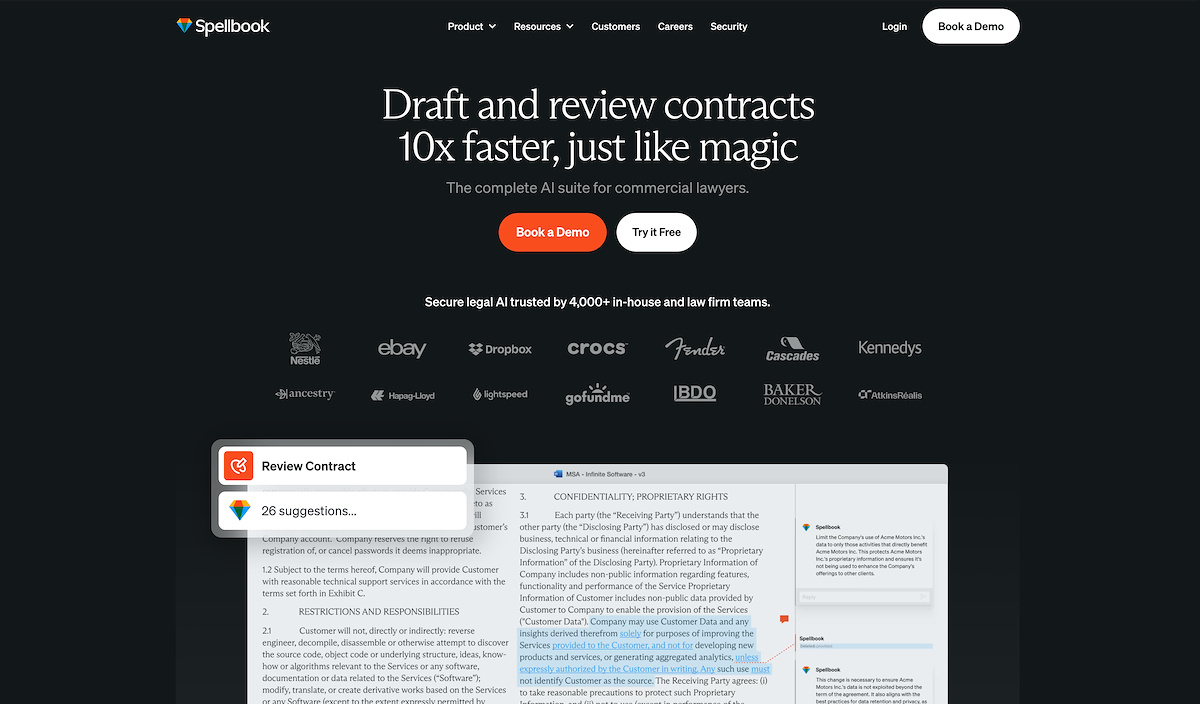
Spellbook Features
Spellbook offers a suite of tools that extend beyond the playbook-driven analysis found in many LegalOn alternatives. These features are designed to assist with the entire contract lifecycle, from drafting and research to negotiation and multi-document projects, all within Microsoft Word.
- Review: Instantly analyzes an entire document, suggesting redlines for risks and missing clauses. All edits are tracked under the lawyer’s name, maintaining professional authorship and control.
- Draft: Generates new clauses or entire agreements. It can also find and adapt language from a firm’s past contracts, automatically matching the style and defined terms of the current document.
- Ask: Functions like a contract-specific chatbot inside Word. Lawyers can ask questions about obligations or terms and get answers with direct citations to the relevant contract language.
- Compare to Market: This feature provides data-driven answers to the question, "What's market?" It benchmarks contract terms against thousands of similar agreements, filtered by industry and jurisdiction. This data-driven approach is a significant departure from many LegalOn competitors that rely solely on static, pre-defined playbooks.
- Associate: An AI agent that handles multi-document workflows. It can execute tasks like cross-referencing a set of documents, updating terms across multiple files, or preparing a full document package from a term sheet.
- Preference Learning: Spellbook observes the edits a lawyer makes and adapts its future suggestions to match their individual style and risk tolerance. Over time, the AI becomes more aligned with the user's specific approach.
- Thomson Reuters Practical Law Integration: Users can access standard documents and clauses from Practical Law directly within Spellbook, combining authoritative legal content with AI-powered drafting.
Spellbook's AI Models & Architecture
Spellbook uses a multi-model approach, selecting from top OpenAI and Anthropic models for optimal performance depending on the task.
It uses retrieval-augmented generation (RAG) to ground outputs in your team's precedents, definitions, and playbooks and enriches them with real-time market data.
This "Market Grounding" approach ensures suggestions are relevant and defensible.
The system also improves over time through Preference Learning, adapting to your team's specific contract review style and making it a strong LegalOn alternative.
Spellbook's Security and Compliance
Spellbook meets enterprise security requirements with a zero-data retention policy, ensuring your confidential information remains protected.
- The platform is SOC 2 Type II certified and compliant with GDPR, CCPA, and PIPEDA.
- For teams in healthcare, Spellbook is also HIPAA compliant and can execute Business Associate Agreements (BAAs).
- Customer documents are never stored or used for model training, and all data is encrypted in transit and at rest.
- Enterprise-grade features include SSO, role-based access controls, and audit logs for enhanced security management.
[cta-1]
Spellbook Pricing
Spellbook offers custom per-seat pricing with annual plans tailored to your team’s size. All subscriptions include:
- All core features, including Review, Draft, and Compare to Market
- Full onboarding, training, and ongoing support
- Volume discounts for larger teams
Get started with a free trial to see how Spellbook can accelerate your workflow.
Other Alternatives to LegalOn
To give you a complete picture of the market, it's helpful to review other similar LegalOn software. The tools below each offer a different approach to contract automation and review.
2. Gavel
Gavel is a document automation platform that helps legal teams create documents using rule-based logic and structured questionnaires. It is best suited for high-volume, repeatable work where standardization is the main goal. Unlike LegalOn's focus on reviewing third-party contracts, Gavel is primarily a document production tool, making it less of a direct alternative for teams centered on negotiation and redlining.
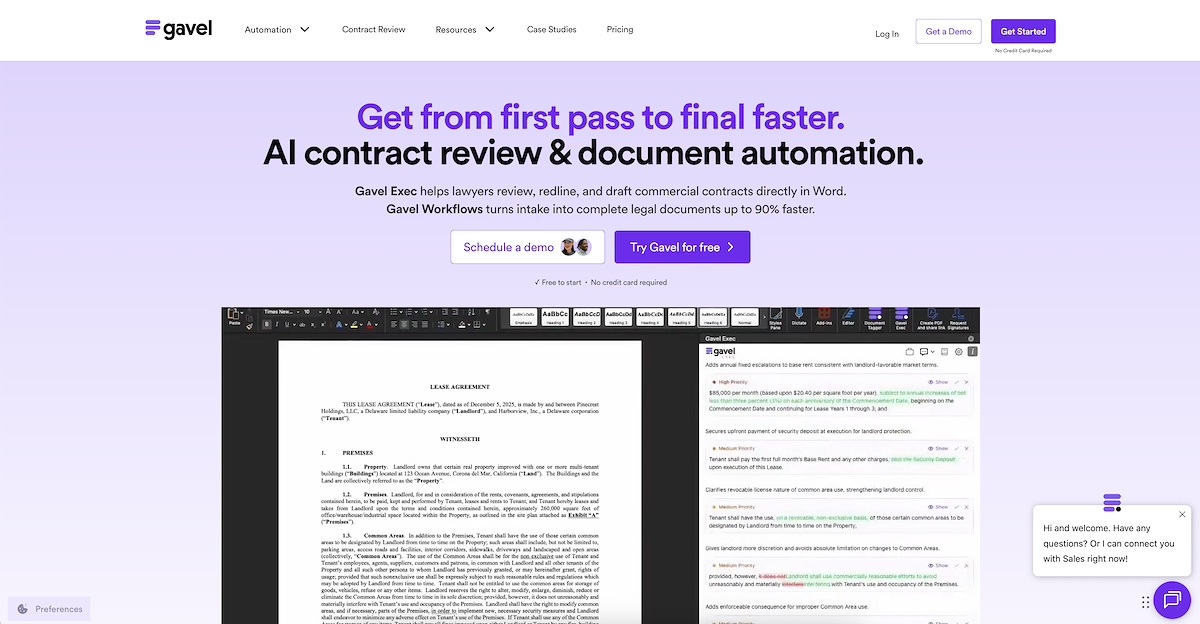
Gavel Features
- Word Add-in: Offers AI-assisted drafting, redlining, and summarization directly within your document.
- Web Application: Generates documents using logic-driven questionnaires and workflows.
- Playbooks: Applies rule-based standards to ensure consistent contract review.
- Projects: Functions as a shared knowledge base for team templates and clauses.
- API: Allows for integration with other business systems, such as CRMs.
Gavel Pricing
Gavel offers monthly, per-user subscriptions with no long-term contract required by default.
- Price: Approximately $160 per user per month.
- Discounts: A 10% discount is available for teams with over 10 users. Further discounts may apply to multi-year agreements.
3. GC AI
GC AI is a legal AI platform designed as a workspace for in-house teams. It combines a web application for research and analysis with a Microsoft Word add-in for contract review. While it offers playbook-driven review similar to LegalOn, its focus is broader, aiming to be a central hub for various legal tasks rather than specializing solely in contract negotiation.
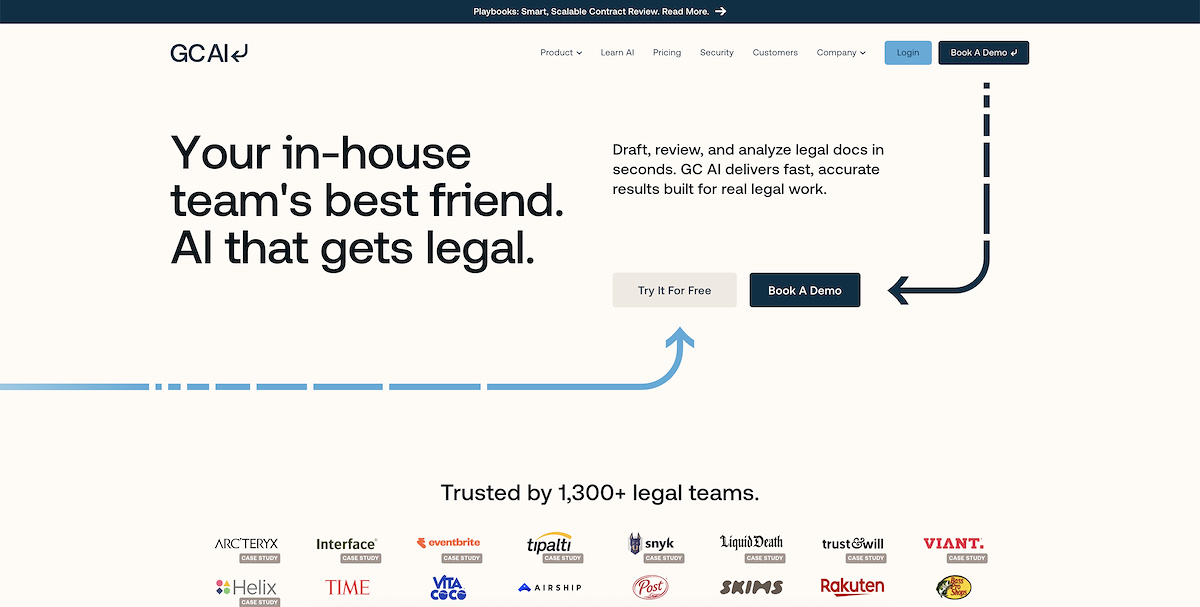
GC AI Features
- A web application for legal research and multi-document analysis with citations.
- A Microsoft Word add-in for contract review and redlining.
- Playbooks to apply standardized review logic to agreements.
- Shared knowledge bases, prompts, and chats for team collaboration.
GC AI Pricing
GC AI provides annual, seat-based pricing with two tiers. Volume discounts are available for teams of 10 or more users.
- Solo: $5,000 per user, per year.
- Team: $7,000 per user, per year, which includes SSO and collaboration features.
4. Iqidis
Iqidis (Irys) is positioned as a “legal operating system” that centralizes document analysis, matter organization, and collaboration in a single web-based platform. Unlike LegalOn’s focus on playbook-driven review within Microsoft Word, Iqidis aims to manage the entire legal workflow from a central hub, making it more of a project management system for teams handling multiple complex workstreams.
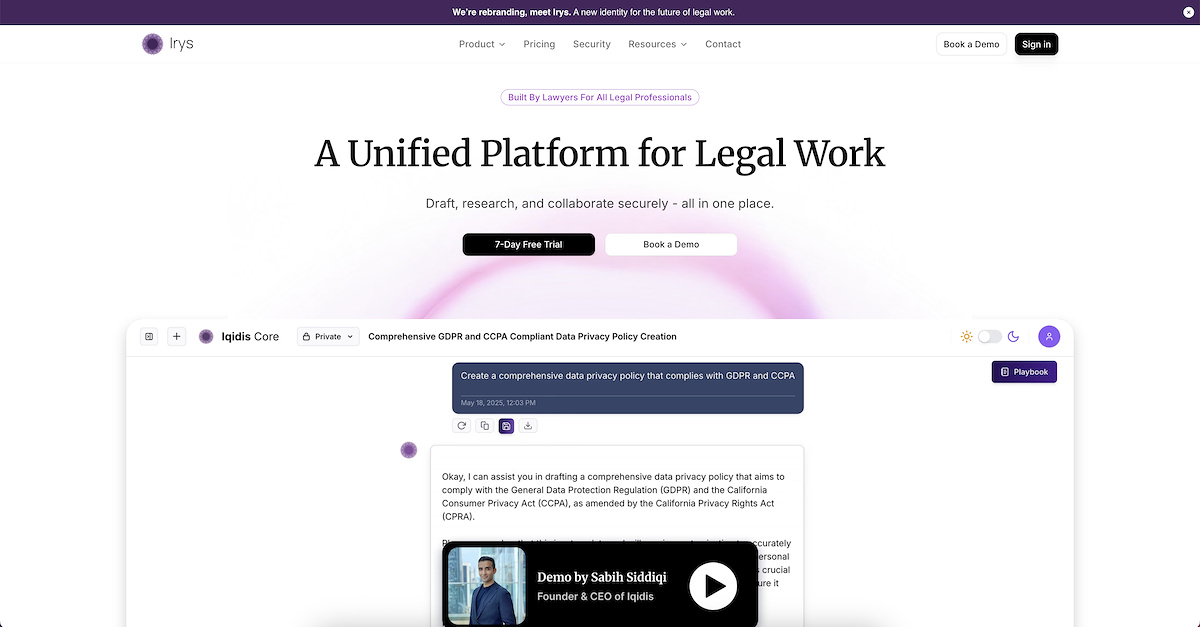
Iqidis Features
- Matter Folders: Centralizes documents, notes, and analysis by project in a single workspace.
- Multi-Document Analysis: Reviews and extracts information from large sets of documents at once.
- AI Assistant: A tool for drafting, summarizing, and redlining content within the platform.
- Collaboration Tools: Allows for internal and external sharing with clients and outside counsel.
- Precedent Discovery: An agent that can tag and search large document sets to find historical precedents.
Iqidis Pricing
Iqidis offers enterprise seat-based pricing on a contract basis.
- Price: $329 to $399 per seat per month.
- Terms: Billed semi-annually or annually.
5. CoCounsel
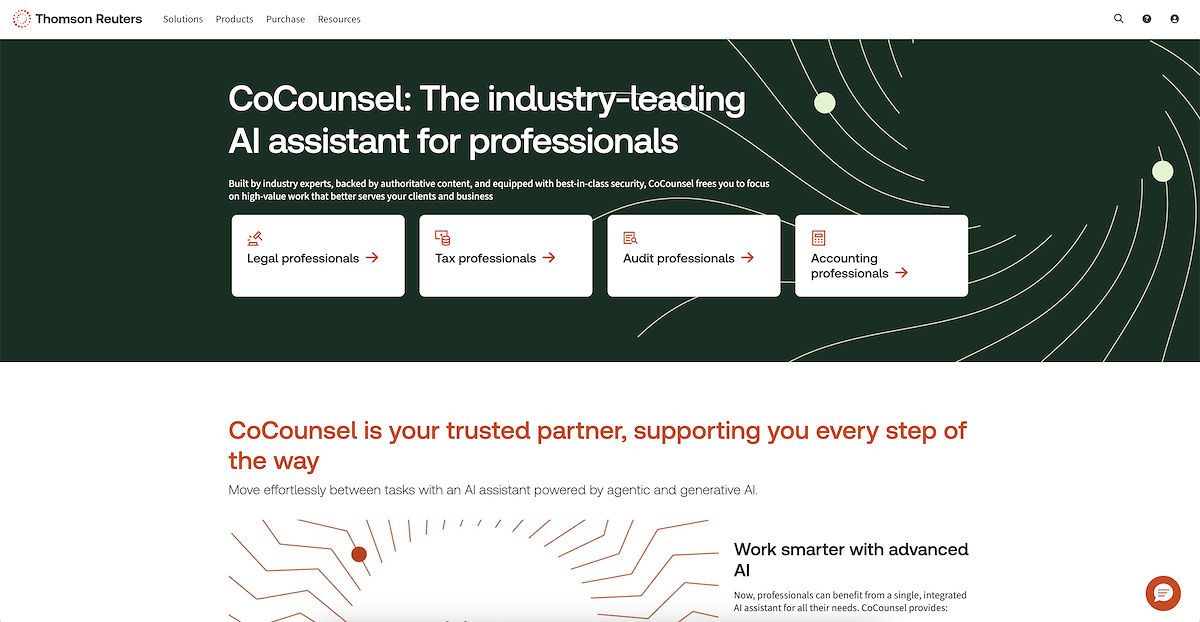
CoCounsel, by Thomson Reuters, is a legal AI platform that pairs contract review tools with an optional research layer using Westlaw and Practical Law. While it offers playbooks, its main value is tied to proprietary research content. This can make it a more complex and costly option for teams looking for a straightforward LegalOn review, rather than a full research suite.
CoCounsel Features
- A Microsoft Word add-in for in-document review and redlining.
- A web portal for multi-document analysis and document storage.
- Playbooks to apply internal standards to contracts.
- Prompt libraries for common legal tasks.
- Optional integration with Westlaw and Practical Law for legal research.
CoCounsel Pricing
CoCounsel provides custom pricing based on your team's needs. It is generally positioned at the higher end of the market.
- Quotes are available upon request.
- A 30-day trial is offered for evaluation.
How To Choose The Best LegalOn Alternative
Choosing the right tool depends on your team's specific needs, from workflow integration to the type of analysis required. To find the best LegalOn alternative for your practice, consider these key factors.
1. Workflow Integration
Consider where your team spends most of its time drafting and reviewing agreements. A tool that integrates directly into your existing word processor avoids disruptive context-switching and allows lawyers to work within their established environment.
2. Scope of AI Capabilities
Evaluate whether you need a tool for simple playbook review or a more complete suite of AI assistance. Some platforms focus only on applying rules, while others provide drafting, research, and multi-document analysis to support the entire contract lifecycle.
3. Data-Driven Negotiation Support
Look beyond static, internal playbooks for negotiation support, as this is a key differentiator among the available LegalOn alternatives. The ability to benchmark contract terms against current market standards provides a data-backed position, answering the critical question of "what's market?" with objective evidence.
Try Spellbook Free
Spellbook moves beyond rigid, playbook-only analysis by offering a full suite of AI tools directly in Microsoft Word, including data-driven negotiation support. You can see how these features work with your own documents by starting a free trial today.
Frequently Asked Questions
What is the difference between using a general AI like ChatGPT and a specialized legal AI tool?
While general AI models are powerful, they are not designed for the specific demands of legal work. Tools like ChatGPT lack the necessary context for contract analysis and can produce unreliable or inaccurate information, a risk that legal professionals cannot afford.
Specialized legal AI platforms, on the other hand, are built on a foundation of security and relevance. They use techniques like retrieval-augmented generation (RAG) to ground their outputs in your firm's documents and legal data, ensuring suggestions are accurate and context-aware. This makes them a much safer and more effective choice for tasks like contract review and drafting than general-purpose AI for lawyers.
How do these tools handle specific or highly negotiated clauses?
A tool's ability to manage complex clauses often depends on its underlying architecture. Playbook-only systems can flag terms that deviate from pre-set rules but may struggle with generating new, commercially acceptable language for highly negotiated sections.
More advanced alternatives use AI to draft context-aware language from scratch or adapt it from past agreements. For example, when negotiating a critical limitation of liability clause, a tool like Spellbook can benchmark your position against thousands of similar agreements to help you argue from a data-backed position of what is "market."
How does Spellbook’s approach to contract review differ from LegalOn’s?
The primary difference lies in the scope and methodology of the AI assistance. LegalOn focuses on playbook-driven review, which involves applying a set of pre-defined rules and standards to a contract to identify deviations. This is useful for ensuring consistency with internal policies.
Spellbook offers a more expansive approach. While it also supports playbooks, it functions as a complete AI suite within Microsoft Word, assisting with drafting, research, and multi-document analysis. Its key differentiator is the "Compare to Market" feature, which moves beyond static internal playbooks by benchmarking clauses against real-time market data. This allows lawyers to negotiate not just from a position of what their company wants, but what is standard in their industry and jurisdiction.
[cta-2]
Our Research Methodology
This comparison is based on comprehensive research of publicly available information, including product websites, feature documentation, press releases, customer reviews, legal technology publications, and third-party analyses from sources like LawSites, Artificial Lawyer, and industry analysts.
Where pricing information is not publicly disclosed, we've included estimates based on available industry data and user reports. Information is current as of 2026 and may change as products evolve. We encourage readers to verify details directly with vendors and request demos to evaluate fit for their specific needs.
Lawyer-built prompts to help you draft, review, and negotiate contracts faster—with any LLM.
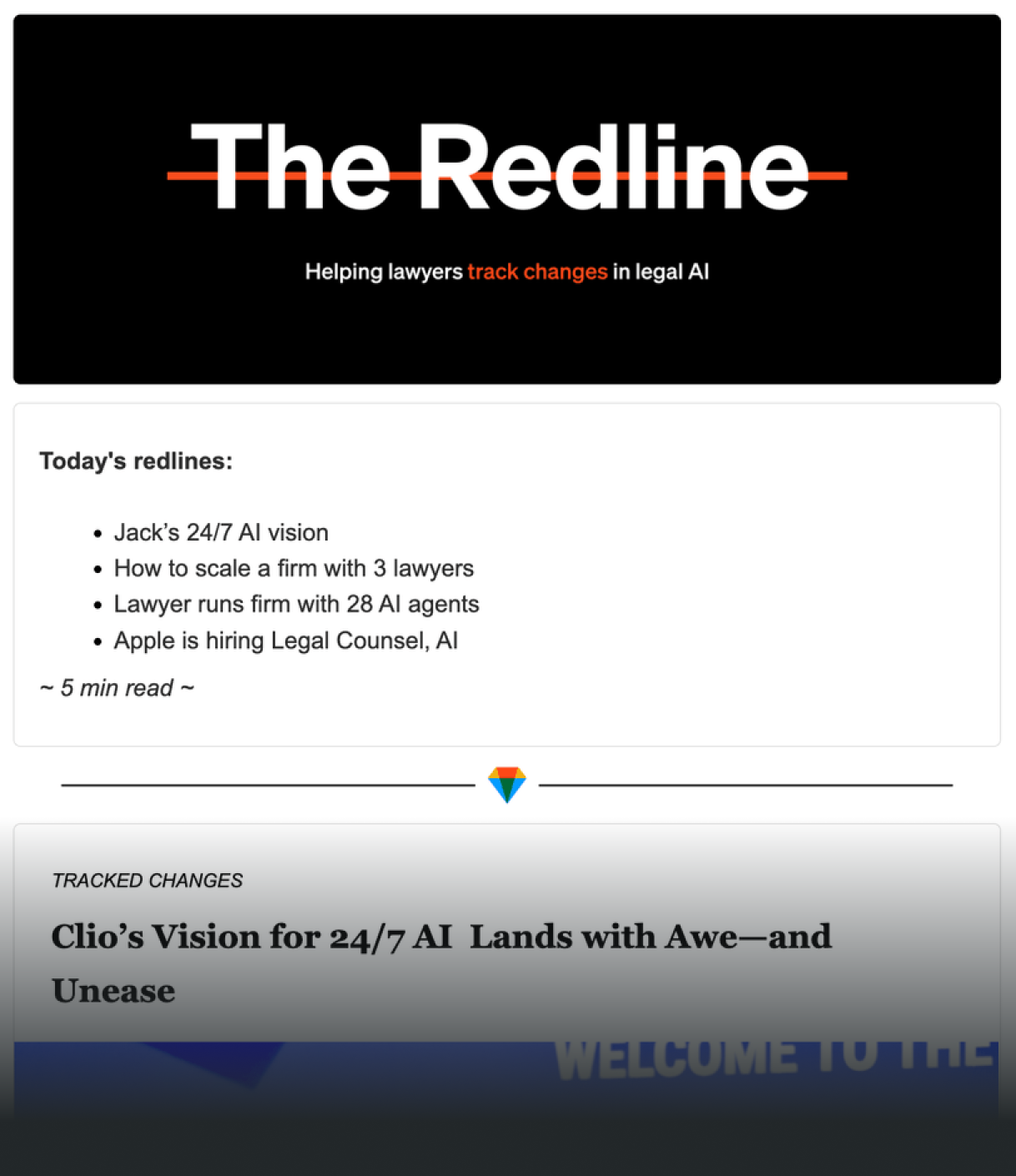
Get the latest news, trends, and tactics in legal Al—straight to your inbox.


Thank you for your interest! Our team will reach out to further understand your use case.
Spellbook is the most complete AI suite for commercial legal work, trusted by more than 4,000 in-house teams and law firms worldwide.

SOC 2 Type II

HIPAA

GDPR

EU AI Act

HIPAA Compliant
